

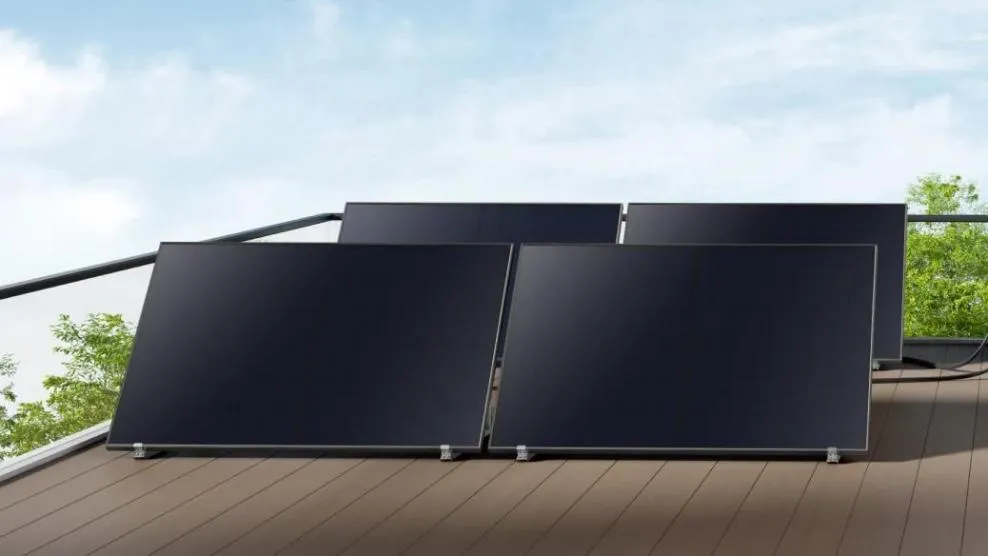
Net metering is one of the most valuable features of solar energy, yet many homeowners don’t fully understand how it works. It’s the valuable billing system that allows you to receive credits for the extra solar power your panels generate each day. When your balcony solar system produces more electricity than your household consumes, this surplus power is fed directly into the grid. In return, your energy provider gives you credits that reduce the cost of the electricity you later purchase from the grid. In this article, we’ll explain what net metering is, how it works, and what it means for your balcony solar system.
Fundamentals of Net Metering Understanding
How net metering records your energy consumption
Net metering works by carefully measuring the difference between the electricity you draw from the grid and the electricity you feed back into it. A special bidirectional meter continuously and accurately records both directions of electricity flow in your home. When your appliances generate more electricity than you consume, the meter runs backward, recording the excess electricity for you. When you consume more than you generate, the meter runs forward, recording the grid consumption for which you must pay. At the end of the billing period, you only pay for the net amount of electricity you actually used from the grid.
Credits for surplus solar energy
The excess energy your panels feed into the grid becomes a valuable credit on your electricity bill, which you can use later. These credits are typically measured in kilowatt-hours and can offset the electricity you use at home in the evenings. If you generate 300 kilowatt-hours in a sunny month but only use 200, you save the extra 100 as a credit for later use. This helpful credit helps cover the energy you use at night when your panels aren’t generating any electricity at all. Over the course of a year, the grid metering smoothly balances out the difference between sunny and cloudy seasons for your home.
How net metering benefits balcony power plants
Transforming excess energy into savings
Net metering allows excess electricity from your balcony solar system to have a financial value, instead of simply going unused. When your system feeds surplus energy into the grid, this energy can be credited towards your later electricity consumption within the billing period, thus reducing your overall electricity costs. This can make balcony solar particularly valuable, especially in summer when solar production is typically higher. The Anker SOLIX balcony power plant, for example, includes monitoring features that allow you to track how much electricity your system generates and how much energy you consume. Understanding your production and consumption helps you better understand how net metering impacts your overall savings.
Balancing daytime and evening usage
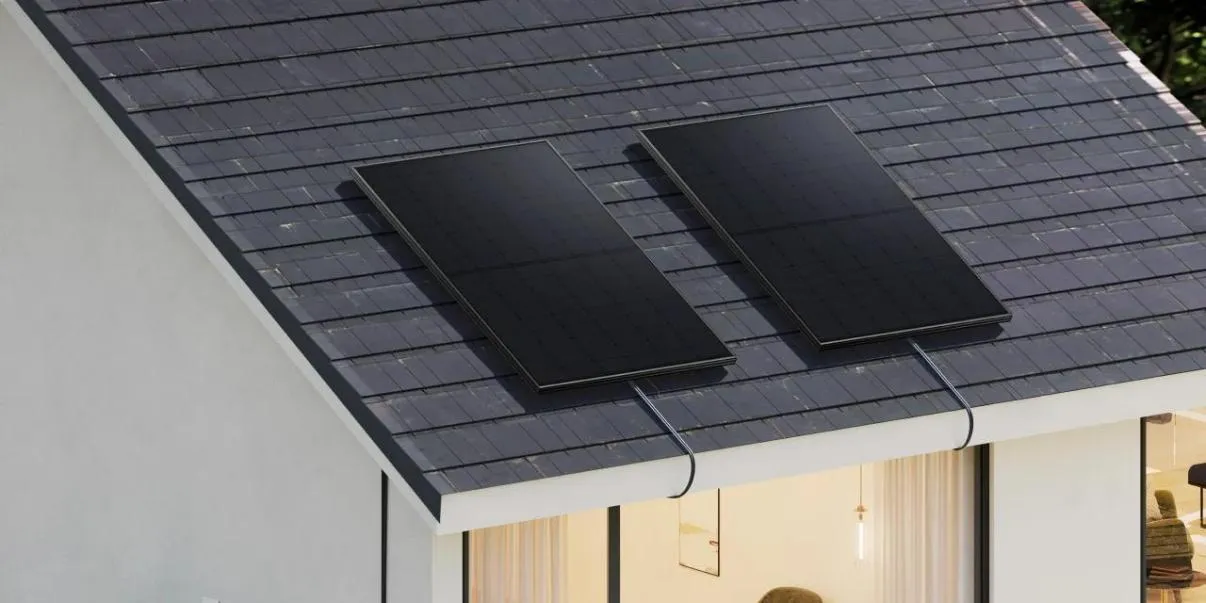
Most households naturally consume more electricity in the evening than during the sunny part of the day when solar panels are generating power. Your panels produce the most energy in the afternoon when many people are away from home and not using large appliances. Net metering allows you to feed this afternoon surplus into the grid and then use it in the evening when you need it. This means you don’t need a battery storage system to benefit from the solar energy your system generates during the day. The electricity grid acts like a giant storage system, carefully balancing your daytime solar production with your household’s nighttime electricity consumption.
Rules and boundaries you should know
Admission and registration requirements
Net metering guidelines vary significantly by region, and not every solar system automatically qualifies for the available program. Many utilities require you to properly register your balcony solar system before connecting it to the grid. Some programs have strict limits on system size, so you should carefully check that your panels remain within the permitted range for your home. Your utility may also require a special meter installation or a formal inspection before approving your connection. Knowing the specific requirements in your area will allow you to register correctly and avoid unpleasant surprises later.
How guidelines differ by region
Net metering rules vary considerably between countries, states, and even individual energy providers within the same region. Some regions offer a full retail-price credit for every kilowatt-hour you feed back into the grid from your home system. Others pay a lower wholesale price, significantly reducing the financial value of your surplus energy. In some areas, net metering has been completely eliminated and replaced with other compensation models.
Conclusion
Net metering is a simple idea with a surprisingly large impact on the overall value of your balcony solar system. It carefully measures your net electricity consumption and gives you a fair credit for the surplus electricity your panels generate each month. This practical system allows you to feed energy into the grid during the day and use it again at home during your most-used evening hours. Regulations vary by region, so it’s important to check local rules and register correctly. With net metering, your balcony solar system becomes even more beneficial and financially rewarding for your household.